Where you stay
changes everything
Ninety minutes end to end, and almost nothing in common between one coast and the other. Choosing the right base is the single most useful decision you will make.
Mallorca is roughly a hundred kilometres across. That makes it small enough to see all of and large enough that where you sleep determines what your week actually looks like.
The mountains along the north-west coast are steep, green and cool, with villages built into terraces and a road that takes far longer than the map suggests. The south and east are flatter, drier and warmer, with sandstone towns and calm water. Palma in the middle of it all is a working city with a cathedral, a container port and a restaurant scene that has improved beyond recognition in a decade.
Below is how we think about the island, grouped by region rather than listed alphabetically.
Palma, the bay
and the south west
The most connected corner of the island: twenty minutes from the airport, close to the marinas, and the easiest base if you want a city and a coastline in the same trip.
Palma Bay
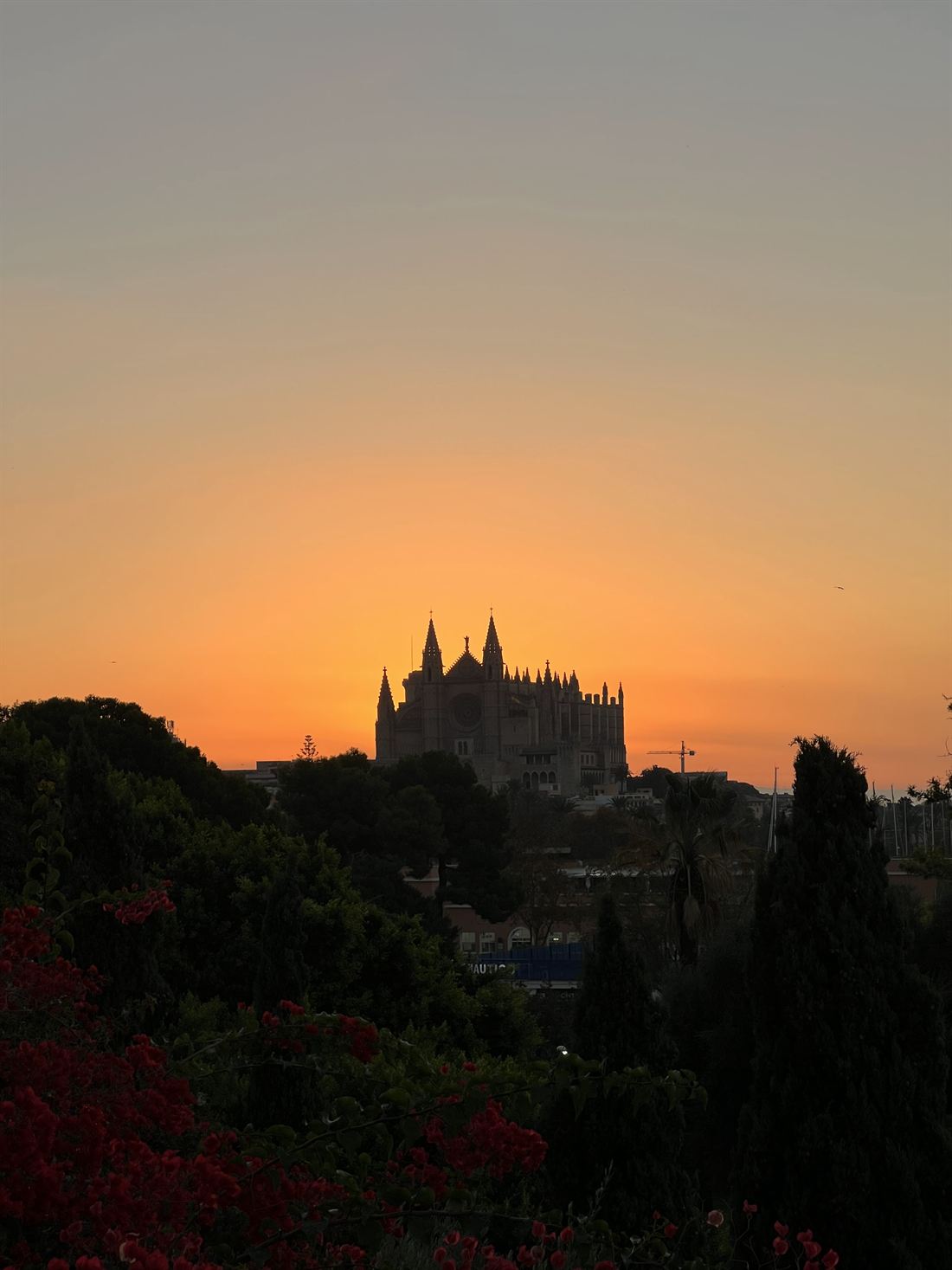
Palma
A real Mediterranean capital rather than a resort. Gothic cathedral, Arab baths, a serious food scene and a port that still works for a living.
Culture · Gastronomy · Business
Palma Bay
Calvià
A large municipality covering much of the south-west coast, with quiet inland villages behind the better known beaches.
Family · Sea · Golf
South west
Santa Ponsa
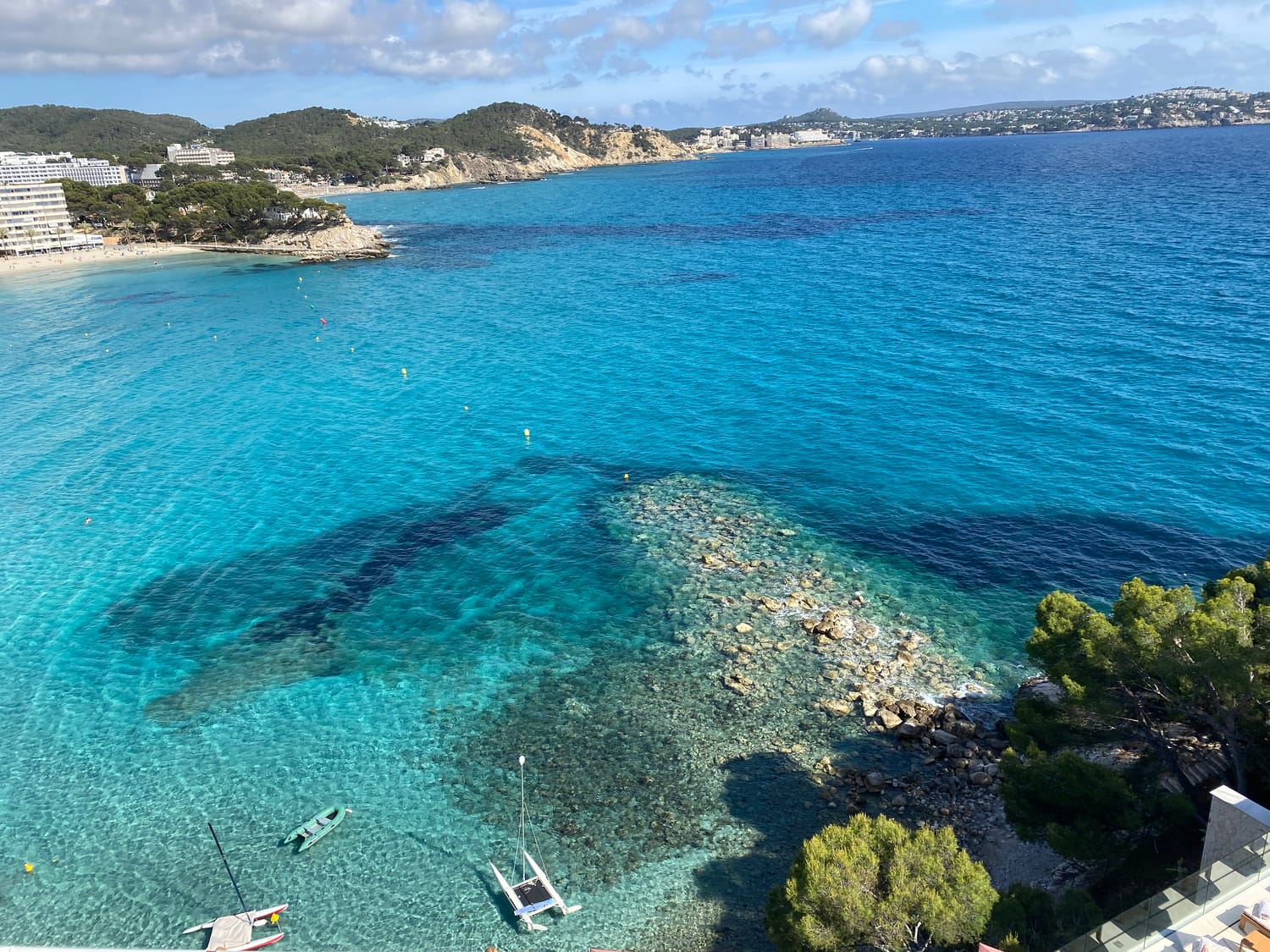
A sheltered bay with shallow water and an easy pace, popular with families who want the beach a short walk from the door.
Family · Sea
South west
Port d'Andratx
A deep natural harbour at the western tip, and the usual departure point for a day at sea towards Sa Dragonera.
Sea · Private · Gastronomy
The Serra
de Tramuntana
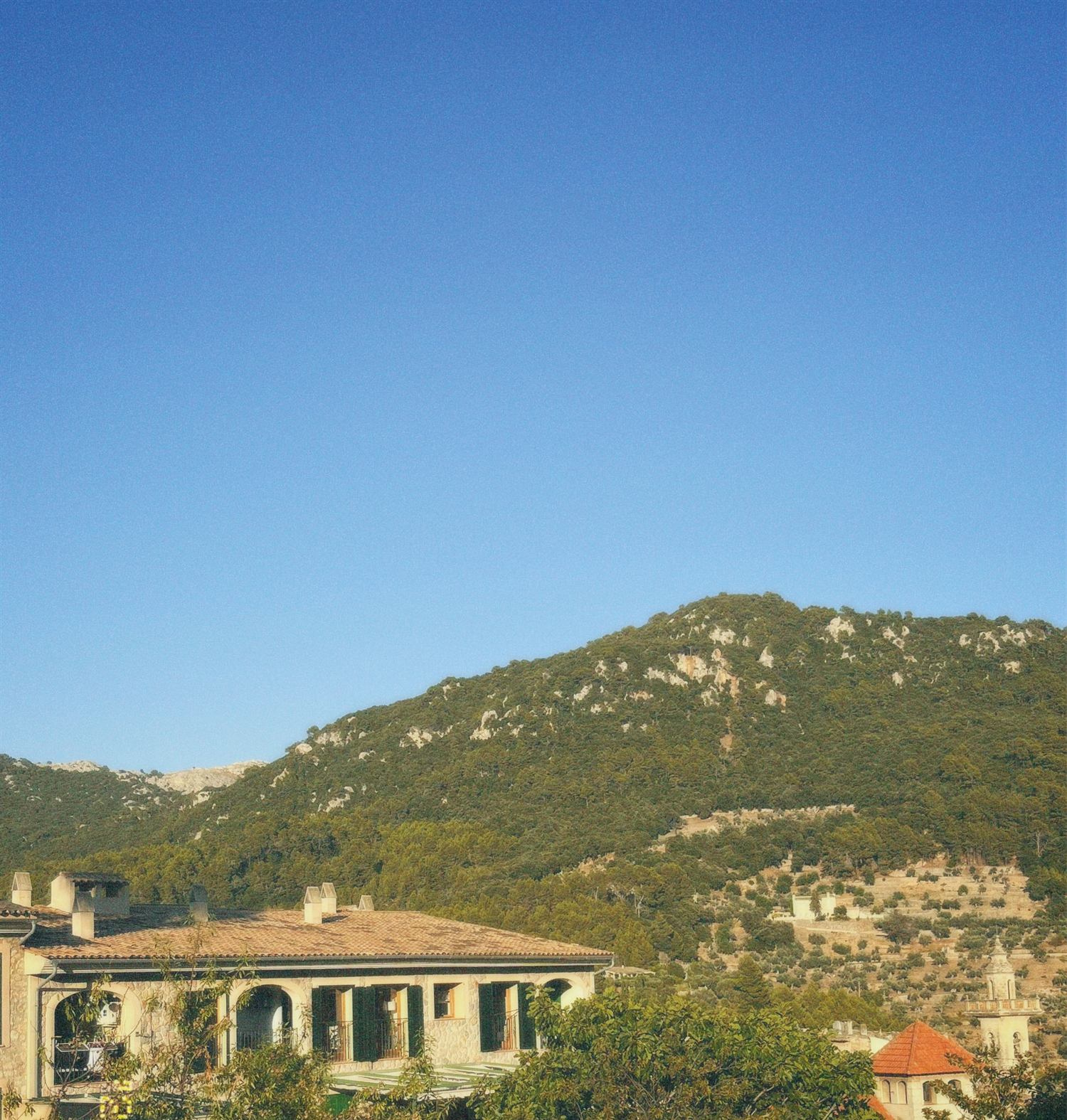
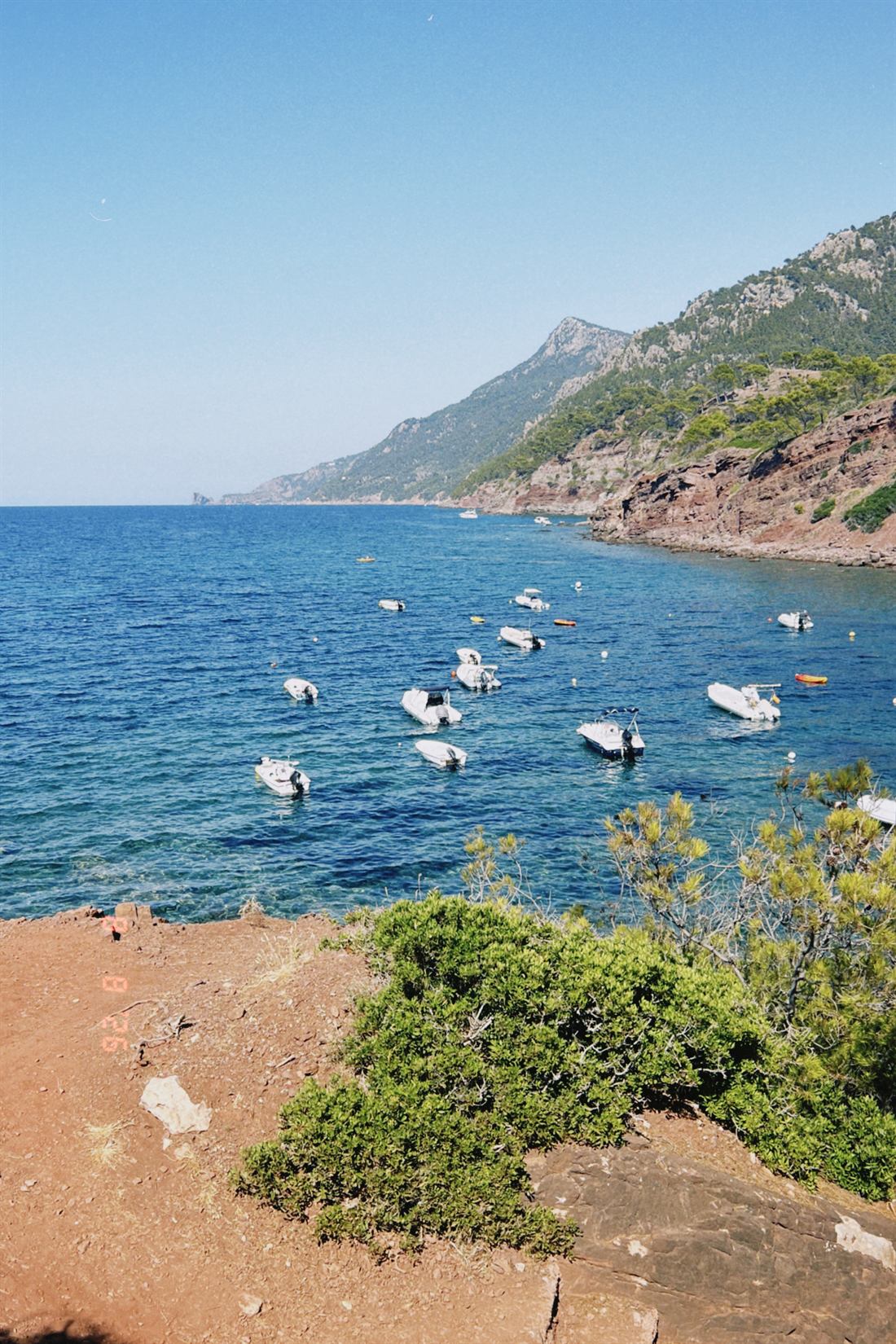
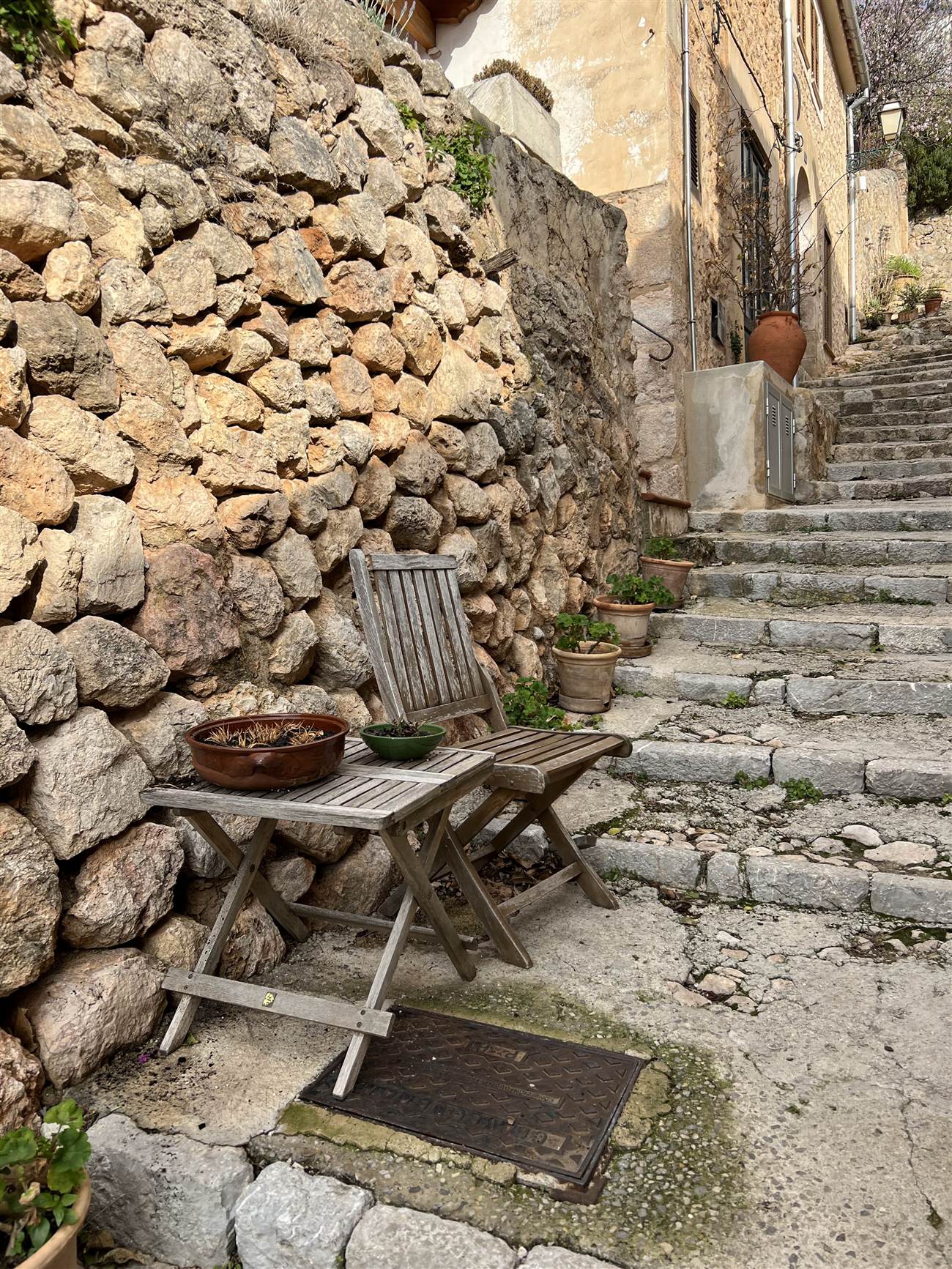
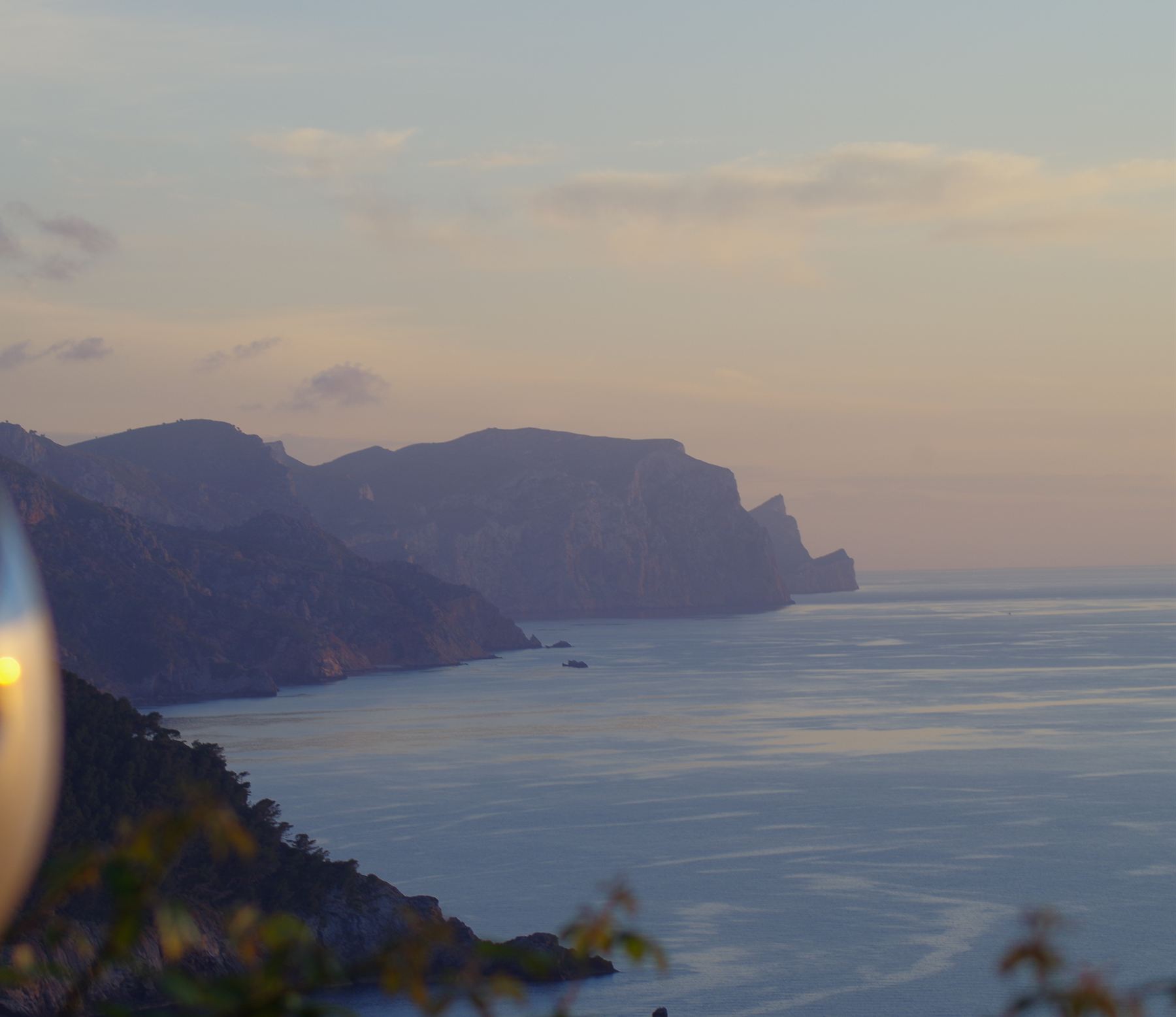
The mountain range along the north-west coast, listed by UNESCO for its dry stone agricultural landscape. Cooler, greener and slower than the rest of the island, and the reason many people come back.
Serra de Tramuntana
Valldemossa
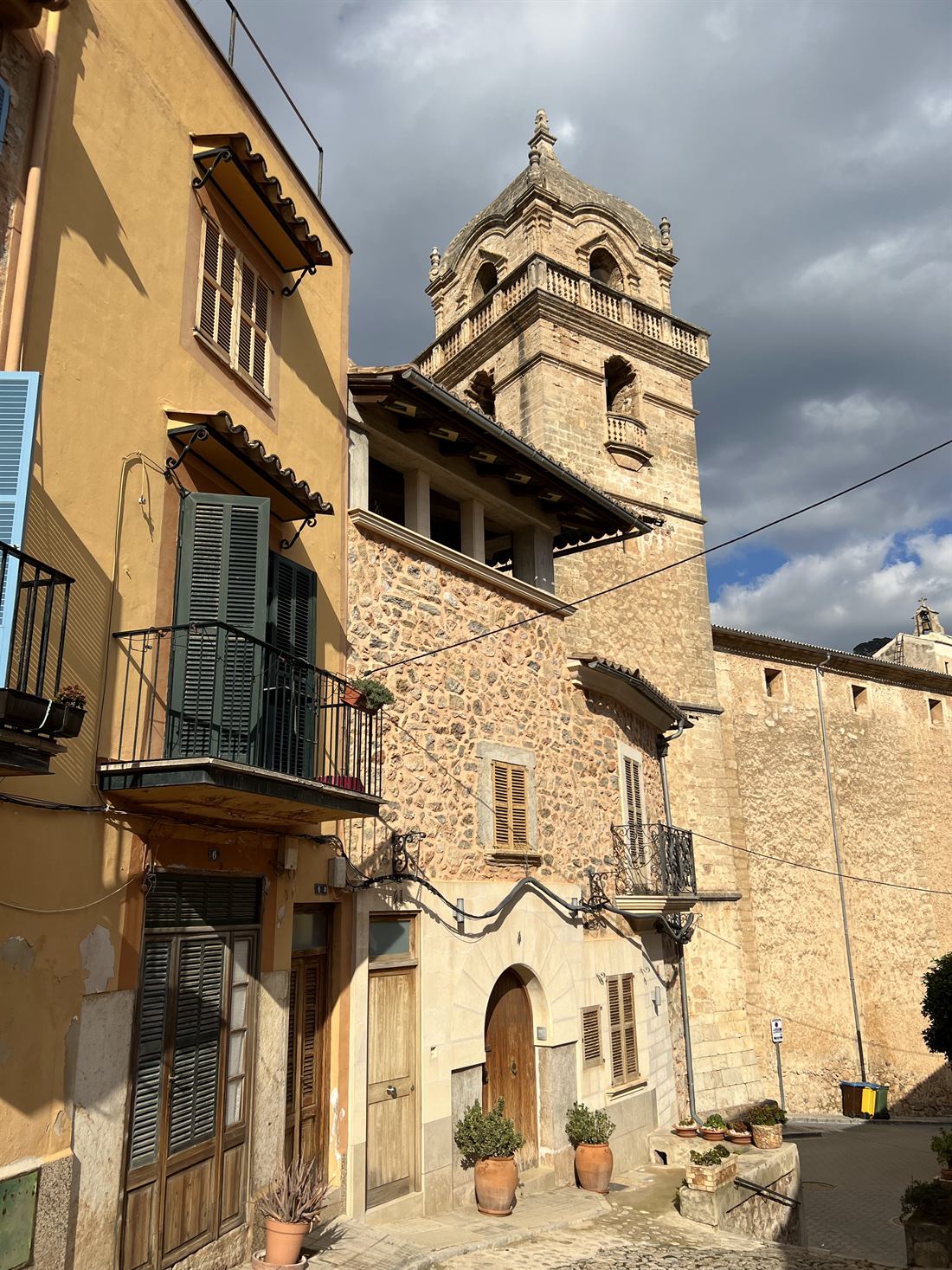
A stone village around a former Carthusian monastery, where Chopin and George Sand spent a famously difficult winter in 1838.
Culture · Nature · Slow
Serra de Tramuntana
Deià
Ochre houses stacked on a hillside between the mountains and the sea, with a long association with writers, painters and musicians.
Culture · Art · Slow
Serra de Tramuntana
Sóller
A valley of orange and lemon groves behind the mountains, with a wooden tram running down to its own port.
Family · Nature · Gastronomy
Serra de Tramuntana
Port de Sóller
An almost circular bay enclosed by headlands, with calm water and a lighthouse walk worth doing at the end of the day.
Family · Sea · Slow
The north, east
and south east
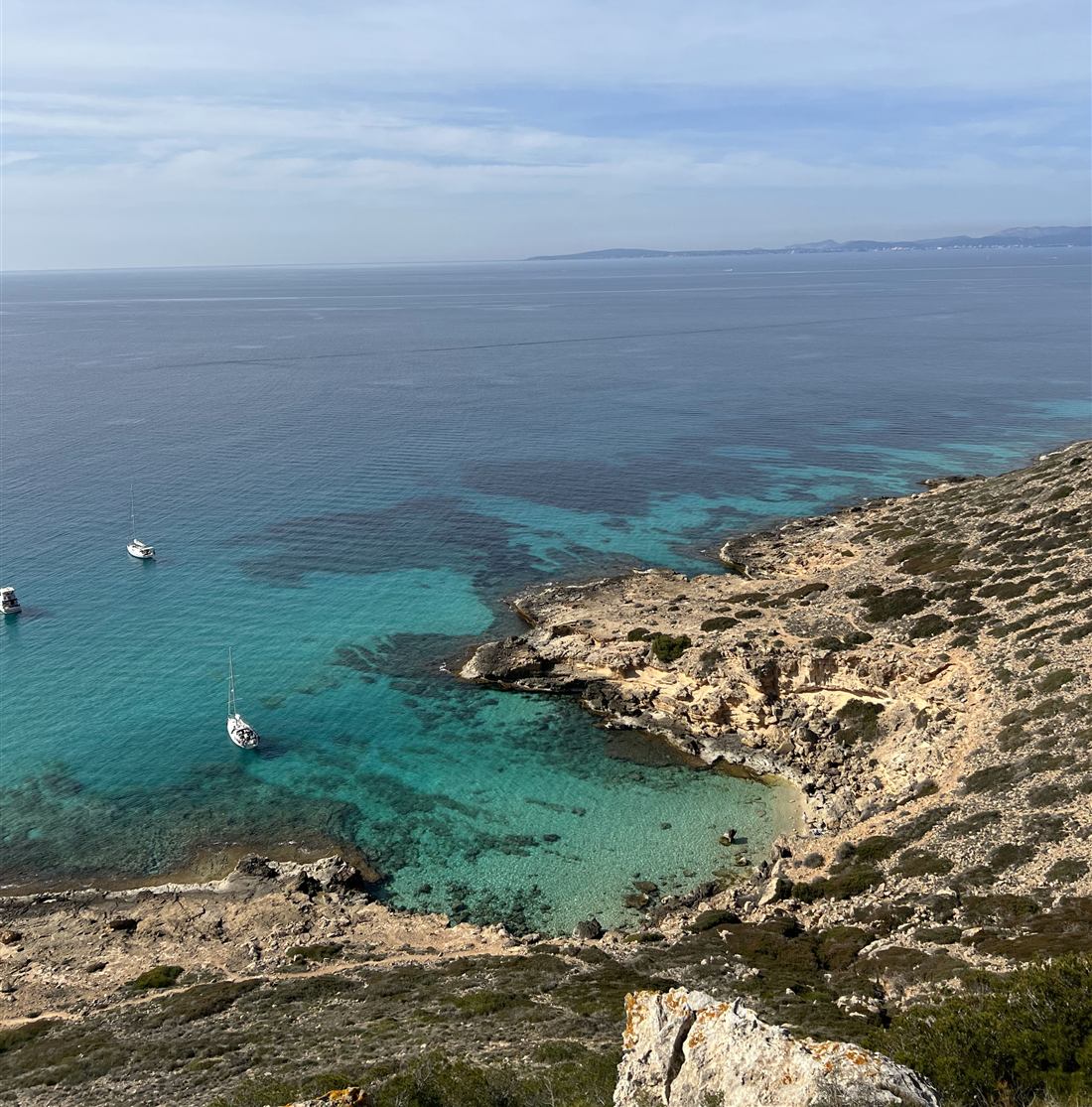
Warmer, flatter and quieter. Sandstone towns, long sheltered bays in the north, and some of the clearest water on the island along the south-eastern coves.
North
Pollença
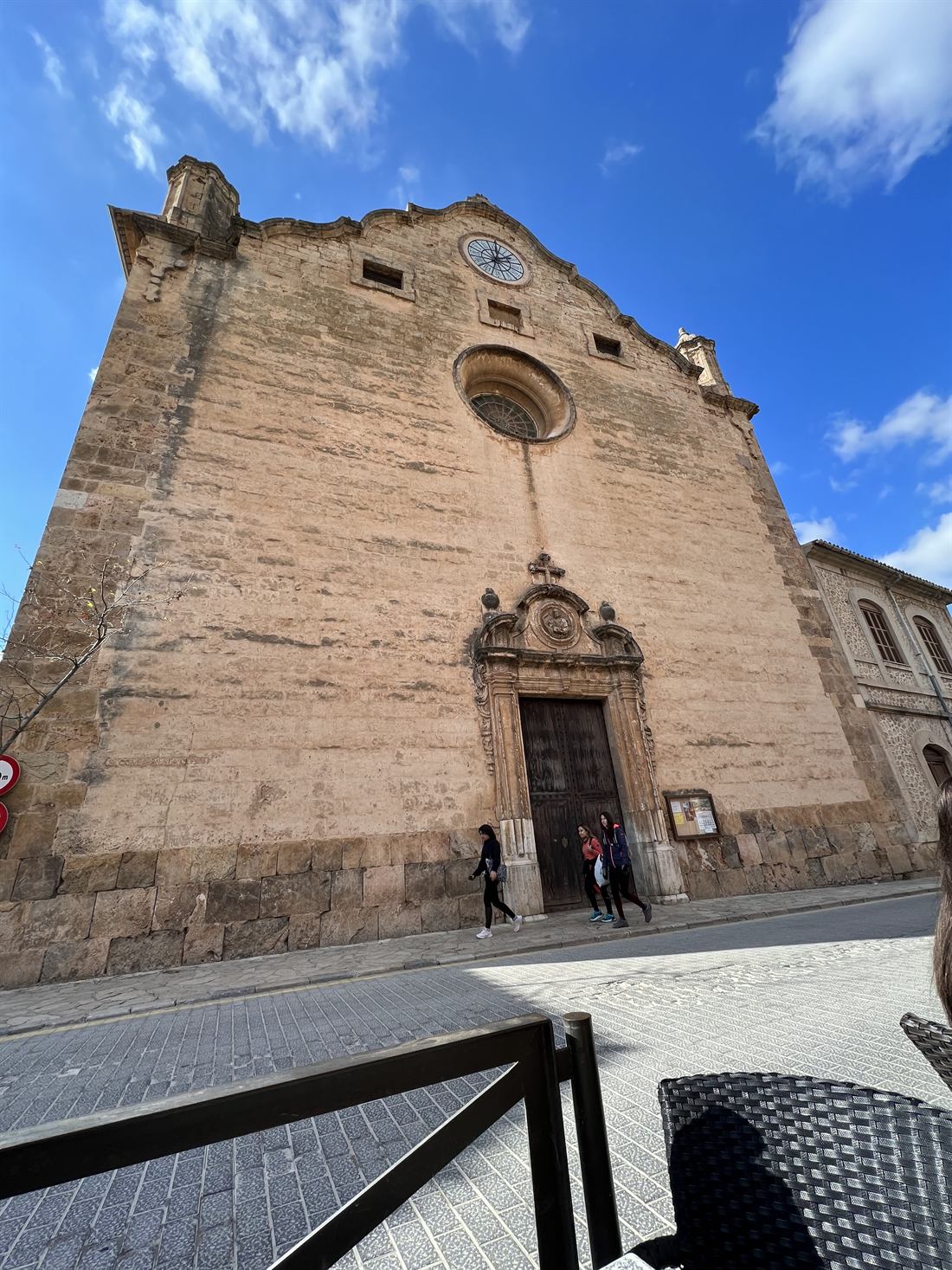
An old town of shuttered stone houses at the northern end of the Tramuntana, with a long stepped climb to a chapel above it.
Culture · Family · Slow
North
Alcúdia
A walled medieval town beside a Roman settlement, with a very long shallow bay that suits younger children particularly well.
Family · Culture · Sea
East
Artà
A hill town below a fortified sanctuary, surrounded by a protected coastal park and a working craft tradition.
Art · Nature · Culture
South east
Santanyí
Honey coloured sandstone, a good Saturday market, and a run of small coves a few minutes away with remarkably clear water.
Sea · Gastronomy · Slow
Not sure where to base yourself?
This is the question we are asked most, and the one where being wrong costs the most. Tell us who is travelling, when, and how much driving you are willing to do. We will tell you honestly which part of the island fits, including when the answer is somewhere you had not considered.